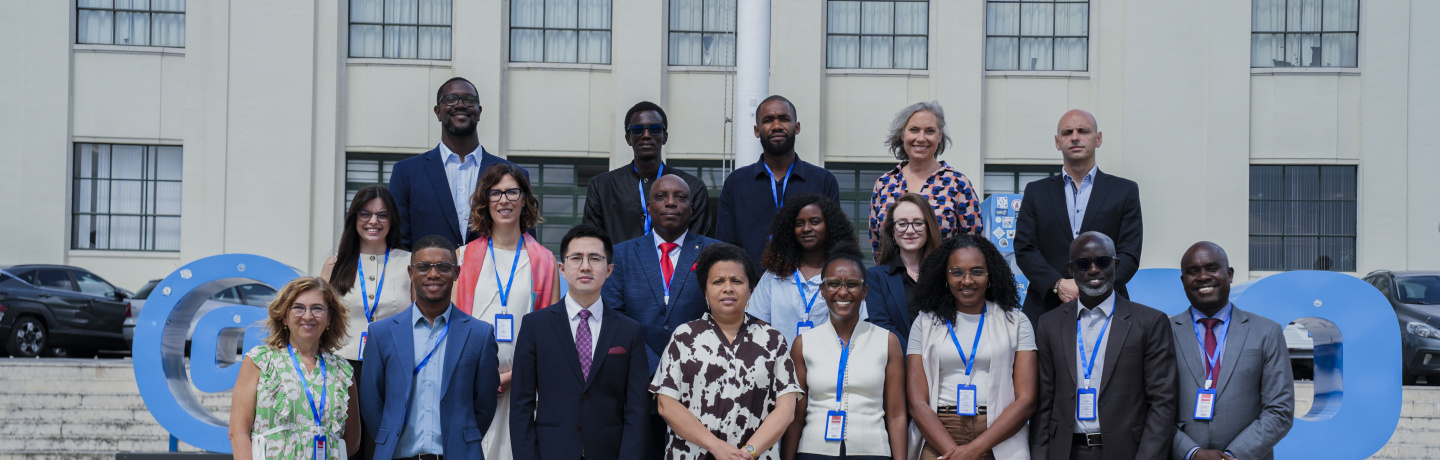
CERENA, at Instituto Superior Técnico, hosted, from 20th to 22nd July 2026, the third meeting of the Directive Committee of the GEF ISLANDS Atlantic Implementing Sustainable Low and Non-Chemical Development in Small Island Developing States (SIDS) Project. The meeting included government representatives from Cape Verde, Guinea-Bissau and São Tomé and Príncipe, and international partners to evaluate the project’s progress and define strategic priorities for the next stages.
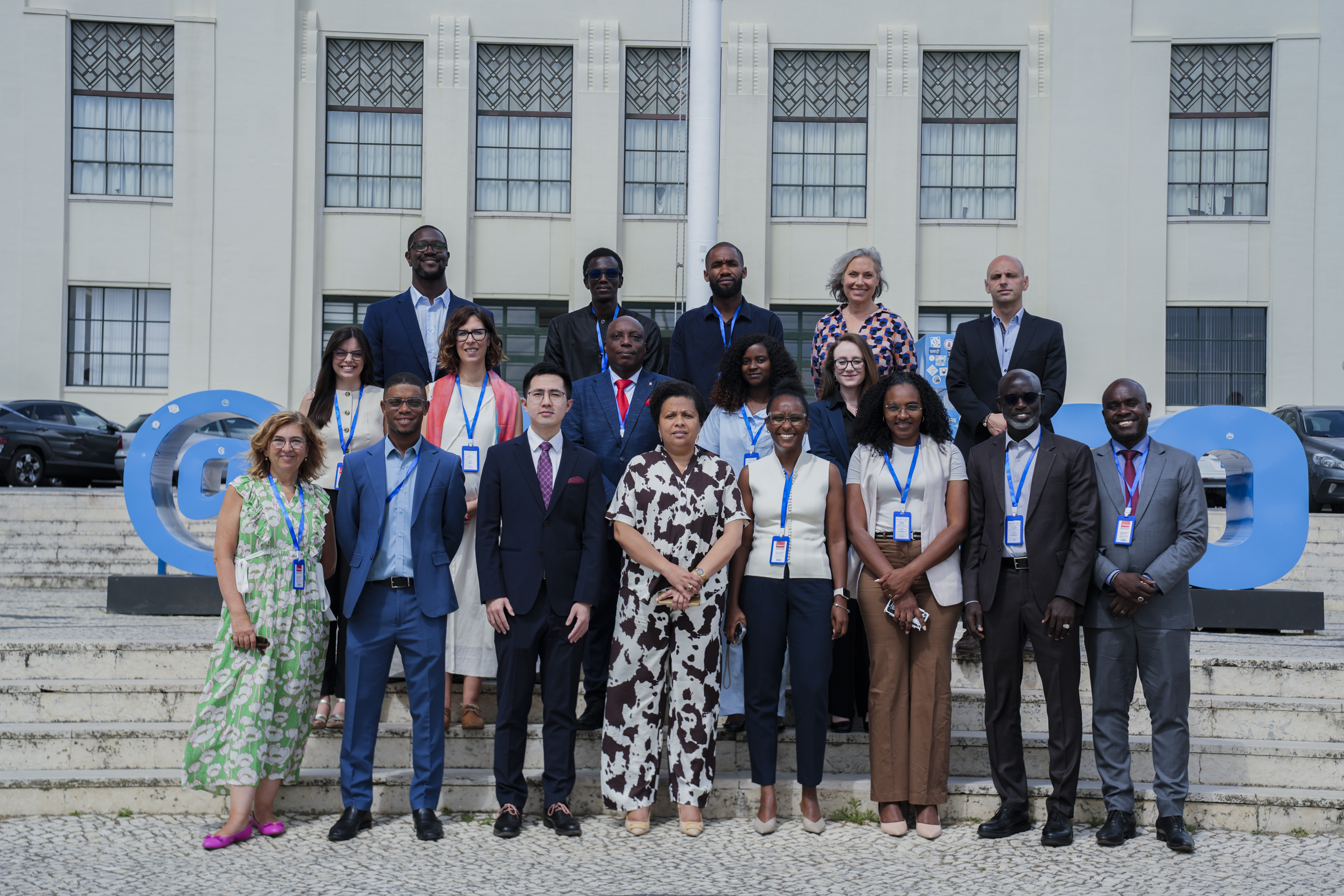
ISLANDS main goal is to support the three countries in the environmental management of their chemical and hazardous waste, favouring the circular economy. The project, which began in 2024 and is expected to end in 2028, is funded by the Global Environment Facility (GEF) and is implemented by the United Nations Environment Programme (UNEP). The meeting that took place at Técnico was chaired by Per Infali Cassamá, a focal point of the project in Guinea-Bissau and Director of the Service of Waste Center and Chemical Products. The meeting also counted on the attendance of Nilda Borges da Mata, Minister of Environment, Youth and Sustainable Tourism of São Tomé and Príncipe, Vania Cassamá, chief officer of the Environment and Climate Action Minister, and the focal national points in Cape Verde, Lisdália Moreira, and São Tomé and Príncipe, Emílio Fernandes Lima.
In session were also representatives of the Green Growth Knowledge Partnership (GGKP) and the Secretariat of the Convention of Basileia, Rotterdam and Stockholm. The Secretariat of GEF and the Organization of United Nations for Food and Agricuture (FAO) joined the meeting online.
IST-ID is one of the execution agencies of the project, in partnership with Basel and Stockholm Conventions Regional Centre located in Senegal (BCR-SCRC Senegal). At Técnico, the project is hosted at CERENA, with the activities being coordinated by Maria João Pereira and Helga Jordão.
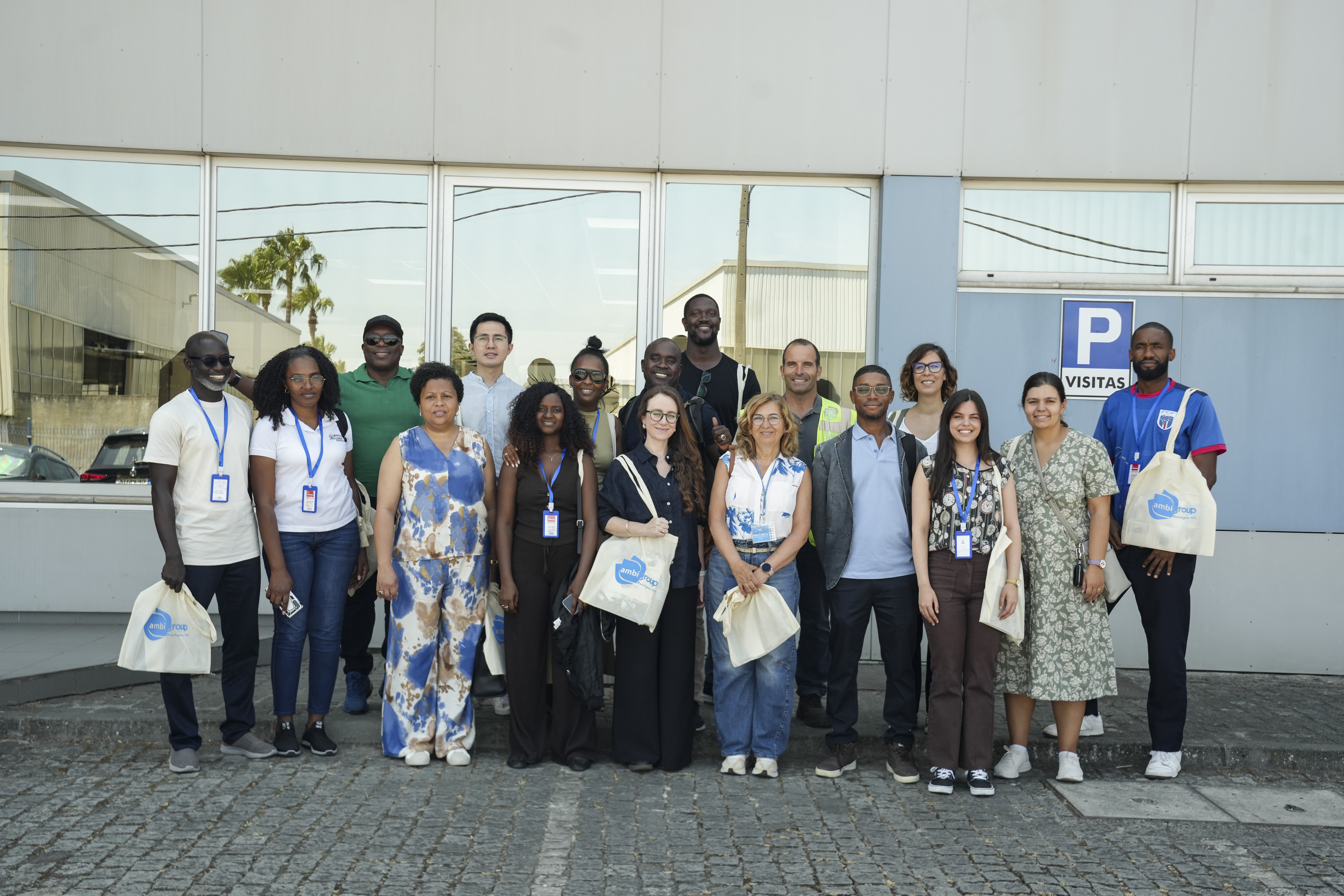
During the two-day meeting, the participants analyzed the global progress of the project and defined the strategy for the next stages, taking into consideration the challenges of implementing the activities in the different countries and the increase in cooperation between the project’s partners. Maria João Pereira and Helga Jordão presented the work in progress regarding the development of a Portuguese training program about multilateral environmental agreements, the support for the management of electrical equipment and vehicle waste, and the evaluation of the lifecycle of chemical waste products to be implemented in the three countries. The program was finalized with a technical visit to Ambigroup, in Seixal, which allowed the participants to see the management and valorization of waste in Portugal and discuss their implementation in their respective countries.
The news can also be read at Técnico's website.