European project led by Ricardo Araújo establishes new research infrastructure dedicated to studying the origin of endothermy in the evolutionary lineage of dinosaurs-bird.
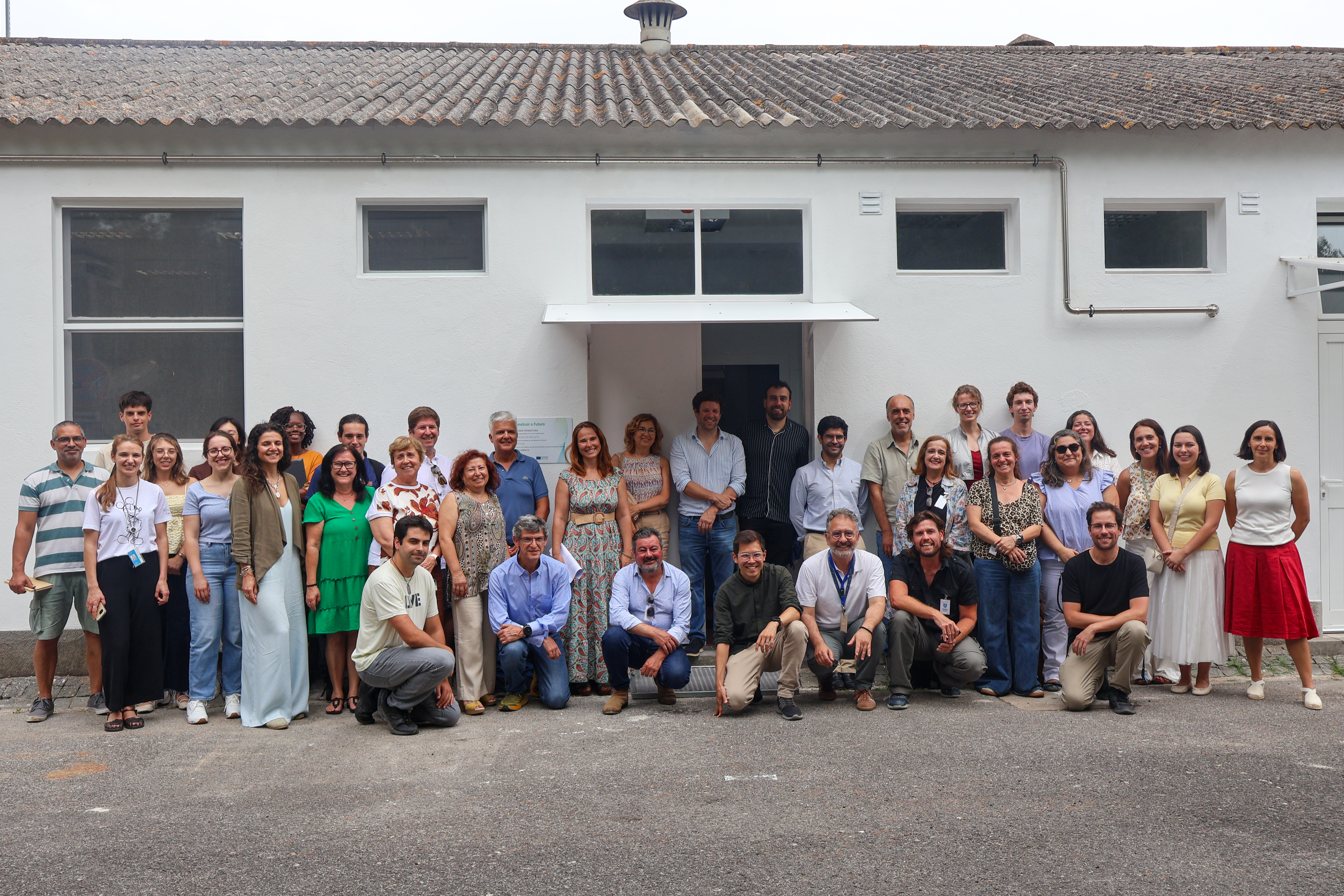
´We want to understand when endothermy first emerged and how this transformation profoundly reshaped the evolutionary history of vertebrates`. With these words, Ricardo Araújo introduced the new ´DAEDALUS` project laboratory, inaugurated on 22 June at Instituto Superior Técnico’s Loures Campus, University of Lisbon. Funded by a Consolidator Grant European Research Council (ERC), the new research infrastructure is dedicated to investigating the origin of endothermy, the ability to maintain a stable body temperature, in the evolutionary lineage linking dinosaurs to birds.
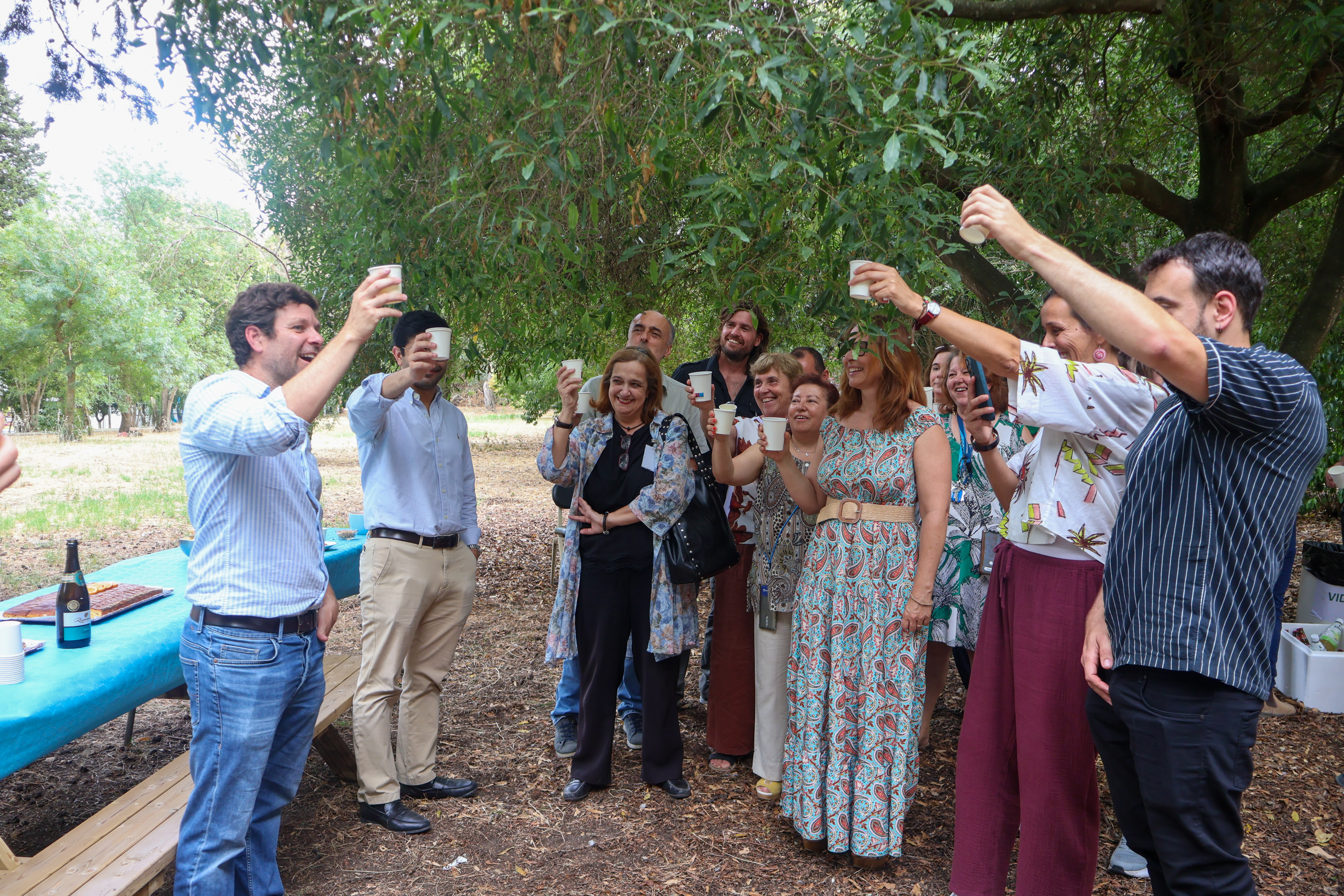
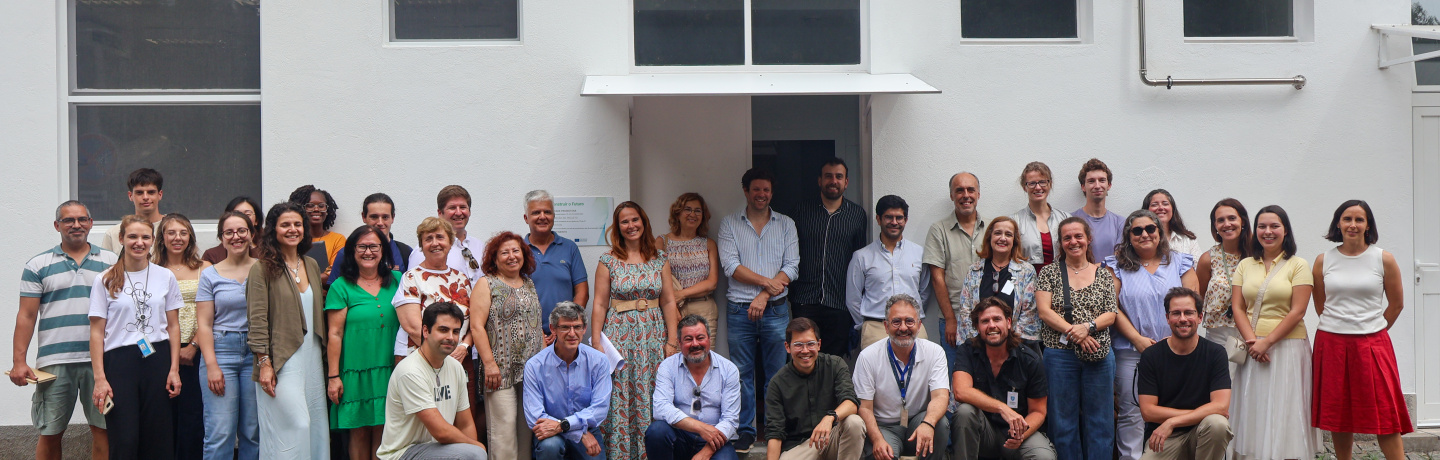
The inauguration ceremony took place in the Loures Campus Auditorium, where Ricardo Araújo, Professor at Instituto Superior Técnico and researcher at CERENA – Centro de Recursos Naturais e Ambiente, presented the project's scientific objectives and introduced the multidisciplinary team responsible for its implementation. The event concluded with a guided tour of the new facilities, followed by a networking reception attended by researchers, academic staff, professional staff and invited guests.
´This laboratory represents far more than a physical space. It creates the conditions needed to bring together different fields of expertise and carry out research that would be difficult to achieve in isolation`, said Ricardo Araújo.
The new research infrastructure brings together specialists in palaeobiology, biomedical engineering and translational otology, fostering an interdisciplinary approach to addressing a scientific question that has remained unresolved for more than a century.
The project aims to determine whether dinosaurs had already evolved warm-blooded metabolism and when this evolutionary transition took place. To achieve this, the research team is using an innovative methodology based on the inner ear of vertebrates, analysing the anatomy of the vestibular system preserved in fossils and the relationship between the viscosity of the endolymph and the animals' body temperature. This approach combines paleontology, imaging, computational modelling, biomechanics and biomedical engineering, positioning Técnico’s Loures Campus among the leading international centres conducting cutting-edge research in this field.
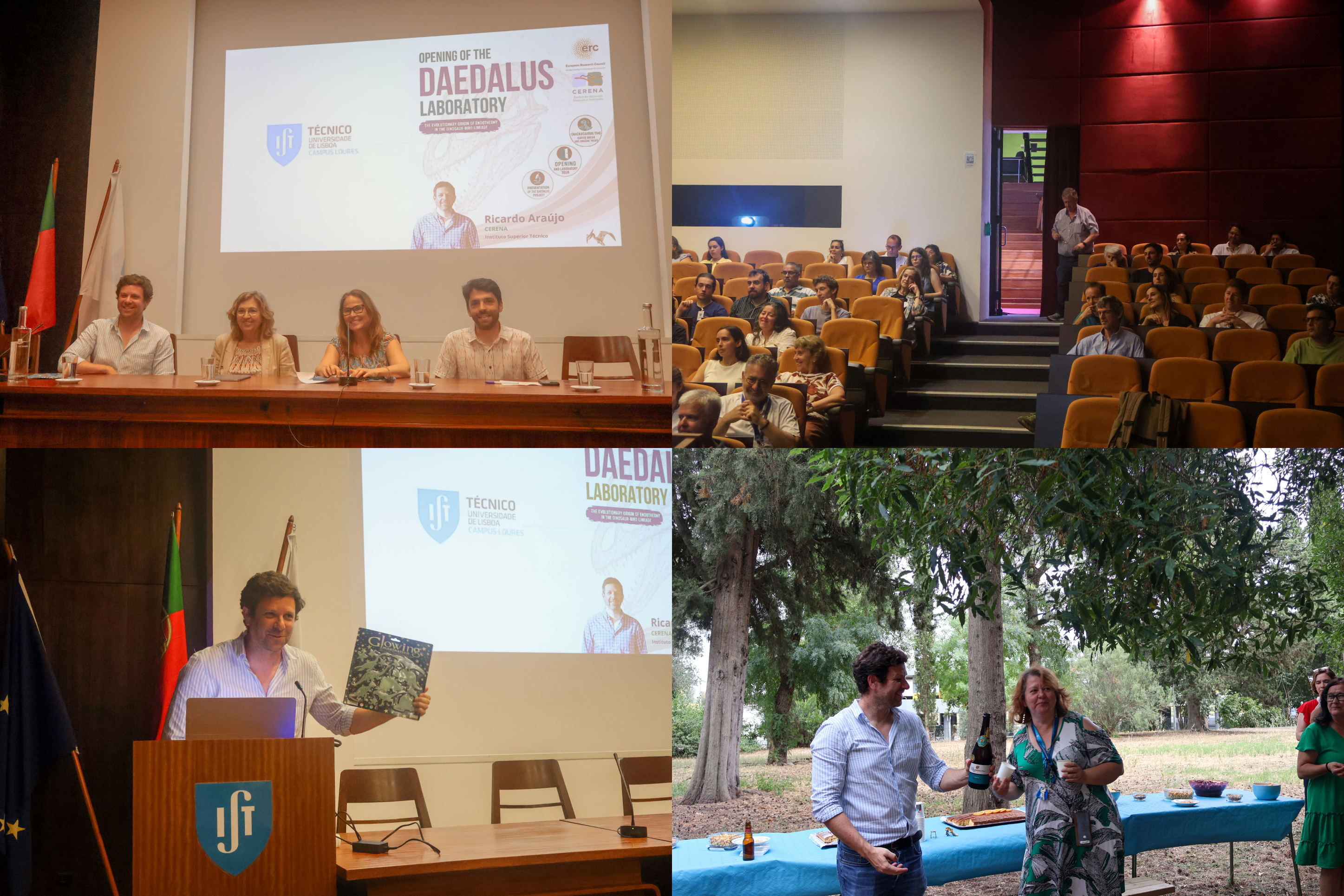
The inauguration was attended by Marta Almeida, Vice-President of Instituto Superior Técnico with responsibility for the management of the Loures Campus, Maria João Pereira, Head of the Department of Mineral and Energy Resources Engineering (DER), and Leonardo Azevedo, Coordinator of CERENA, who highlighted the project's contribution to strengthening the Campus's scientific capacity.
In the opening session, Marta Almeida highlighted the potential of the Loures Campus to ´create the conditions for research excellence and foster new scientific collaborations`. Maria João Pereira described the ERC Consolidator Grant as ´a source of pride for the entire Department. The success of one of our colleagues is also the success of our whole community`. Meanwhile, Leonardo Azevedo stated: ´We are delighted to welcome this project to CERENA. It reinforces the Centre's commitment to the scientific infrastructure of the Loures Campus, and it will have our full support`.
With the launch of the ´DAEDALUS` project laboratory, Instituto Superior Técnico is strengthening its scientific capacity in the fields of paleobiology, biomedical engineering and evolutionary science, contributing to a deeper understanding of the history of life on Earth.